




































How to remove mould from bathroom silicone
 12.09.2026
Quick facts
| Time | 20 minutes of work, a few hours to act |
|---|---|
| Difficulty | medium |
| You need | mould gel, gloves, ventilation |
| Our price | from 46 € for a full flat clean |
Black spots in the silicone around a bath or shower are not surface dirt. Mould grows into the sealant, which is why it keeps coming back a week after you scrub it. Whether it can be cleaned at all depends on how deep it has gone — and that is something you can test in ten minutes.
What you'll need
- a chlorine-based mould gel
- baking soda for the surface film on grout
- rubber gloves and an open window
- an old toothbrush
- paper towel or cotton pads
Step by step
- Open the window first. Mould gel is chlorine-based. Ventilate while you work and for a while after, and never use it together with vinegar or any acidic cleaner.
- Dry the joint. Gel runs off wet silicone and does nothing. Wipe it dry with paper towel before applying anything.
- Apply the gel and cover it. Lay a strip of paper towel or cotton pads soaked in gel along the joint. That keeps it in contact instead of sliding into the bath.
- Leave it for two to four hours. Not ten minutes. This is the step people skip, and it is the one that decides the result.
- Brush and rinse. Work along the joint with an old toothbrush, then rinse thoroughly with water.
- Judge the result honestly. If the silicone is uniformly light again, you are done. If grey shadows remain in the same places, the mould is inside the sealant and no product will reach it.
What to use — and what not to
| Product | Good for | Do not use on |
|---|---|---|
| Chlorine-based mould gel | black spots grown into silicone | never together with vinegar or an acidic cleaner |
| Baking soda and water | surface film on grout and tiles | will not touch mould below the surface |
| Vinegar | limescale around the joint | not at the same time as chlorine, and not on marble |
| Fresh sealant | the only permanent fix once it has grown in | — |
How often to check the joints
Wipe the shower enclosure after each use and ventilate the bathroom — that solves about ninety per cent of the problem before it starts. Look over the joints once a month: a surface film comes off in minutes, mould that has grown in only goes with new sealant.
What to watch out for
- Chlorine and acid must never meet. Not mixed, and not one after the other without rinsing thoroughly in between.
- Bleach lightens the stain without killing what is inside the silicone — which is why it looks solved for two weeks.
- If mould keeps returning in the same spot, the cause is ventilation, not cleaning.
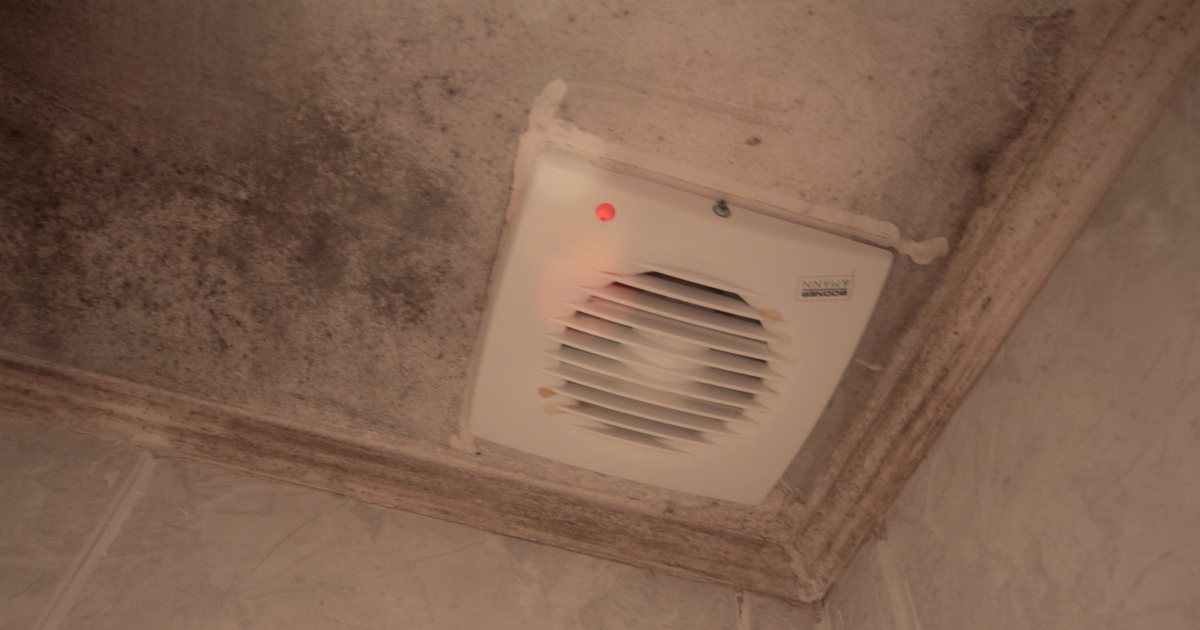
- Mould on walls or ceiling that spreads over more than a hand-sized area is a damp problem and needs a builder, not a cleaner.
When to leave it to a professional
We remove surface mould as part of a bathroom clean and will tell you on the spot if the sealant needs replacing rather than cleaning — a job for a handyman, which we also do. Booking a deep clean is the usual way it gets dealt with, because the descaling and grout work happen at the same time.